Network Infrastructure
Wireless bridging
& backhaul
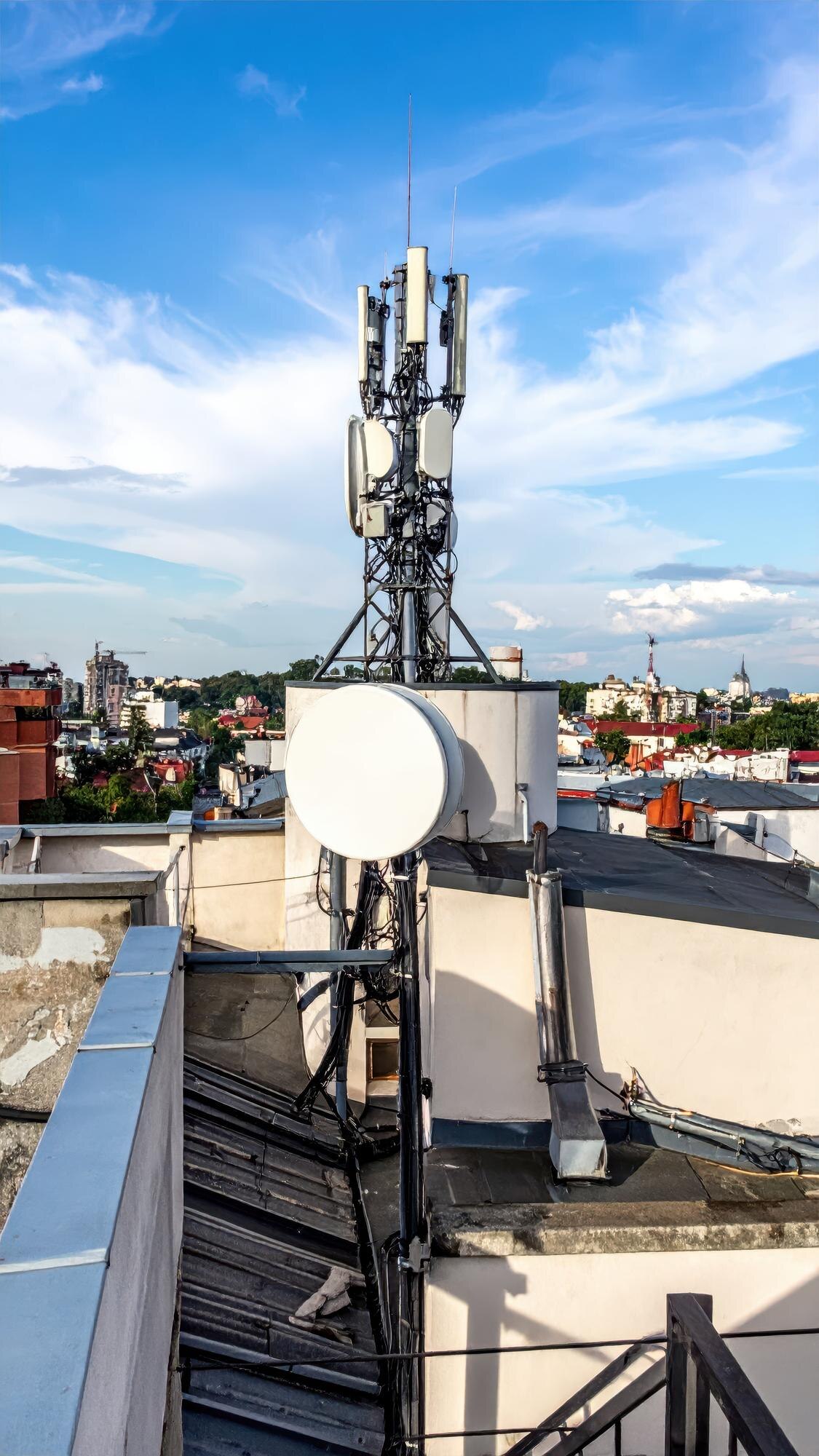
Connect buildings and sites without trenching fiber. High-speed point-to-point and point-to-multipoint links, engineered for uptime.
Overview
When fiber is impractical,wireless delivers
When fiber is impractical or too expensive, licensed and unlicensed wireless links connect your buildings at high speed.
WZC engineers reliable PtP/PtMP backhaul for campuses, industrial sites, and outdoor coverage — with the path analysis and link budgeting to keep every link up.
- Campus building-to-building links
- Industrial sites and remote facilities
- Backhaul for outdoor coverage
- ThroughputGigabit-class
- DistanceUp to 1.8 mi LOS
- TopologyPtP and PtMP
- PathSurveyed line of sight
- DeployDays, not months
Loading schematic…
How it works
System components
- Path SurveyLine of sight, Fresnel clearance and interference checked on site.
| Element | Type | Feeds | Role |
|---|---|---|---|
| Site A | building | dishA | A building whose network is extended without trenching fiber |
| PtP radio | link radio | dishB | Licensed or unlicensed link radio on a clear line-of-sight path |
| Hub sector | link radio | siteB, S1, S2, S3 | Licensed or unlicensed link radio on a clear line-of-sight path |
| Hub site | building | — | A building whose network is extended without trenching fiber |
| Site 1 | remote site | — | A further site served from the same hub sector, point-to-multipoint |
| Site 2 | remote site | — | A further site served from the same hub sector, point-to-multipoint |
| Site 3 | remote site | — | A further site served from the same hub sector, point-to-multipoint |
Wireless bridging · gigabit point-to-point, one hub serving many sitesClick any node — or any step or component below — to inspect it. Illustrative topology; the real design is set by the site survey.
Link budget
Every link starts with the math
What you get
Built to perform
PtP & PtMP
Point-to-point and point-to-multipoint topologies.
High throughput
Gigabit-class links over long distances.
Rapid deployment
No trenching, faster than fiber builds.
Resilient design
Path analysis and link budgeting for uptime.
How it works
Our process
Path Study
Line-of-sight and link budget analysis.
Design
Radio selection and mounting plan.
Install
Mounting, alignment, and commissioning.
Validate
Throughput and stability verification.

Field-proven
Links that hold up in real weather
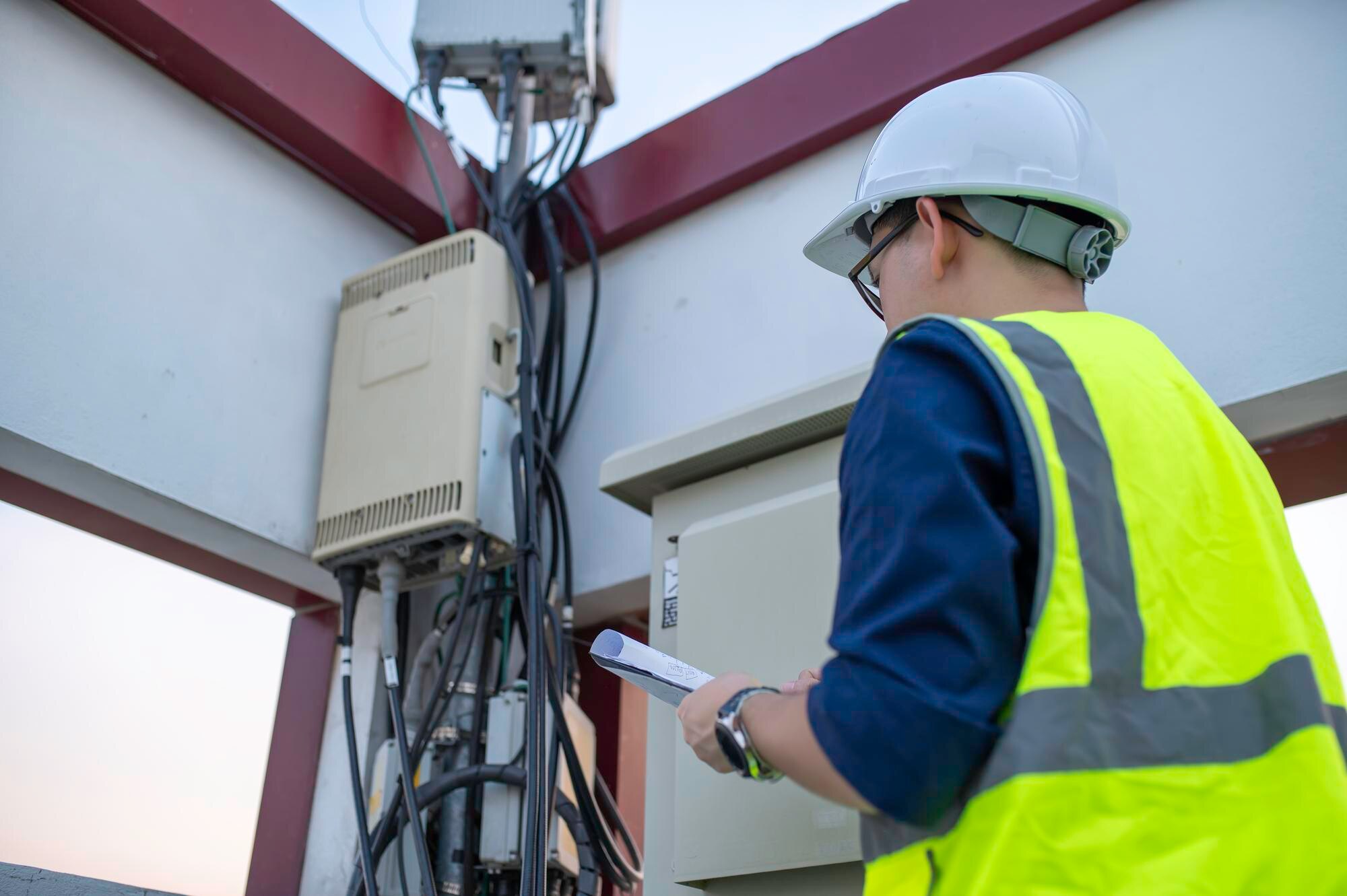
Every WZC bridge is specified with real-world fade margin, mounting engineered for the structure, and alignment verified under load — so the link you buy is the link you get.
"Partnering with WZC has been a game-changer for our operations in Michigan. We're transforming businesses with reliable connectivity."
 Point-to-point backhaul
 Multipoint distribution
Questions
FAQs
How far can a link reach?
Do you use licensed or unlicensed spectrum?
Is wireless reliable enough to replace fiber?
Get started
Let's solve your wireless challenge
Tell us about your building and goals. A WZC engineer will get back to you within one business day.